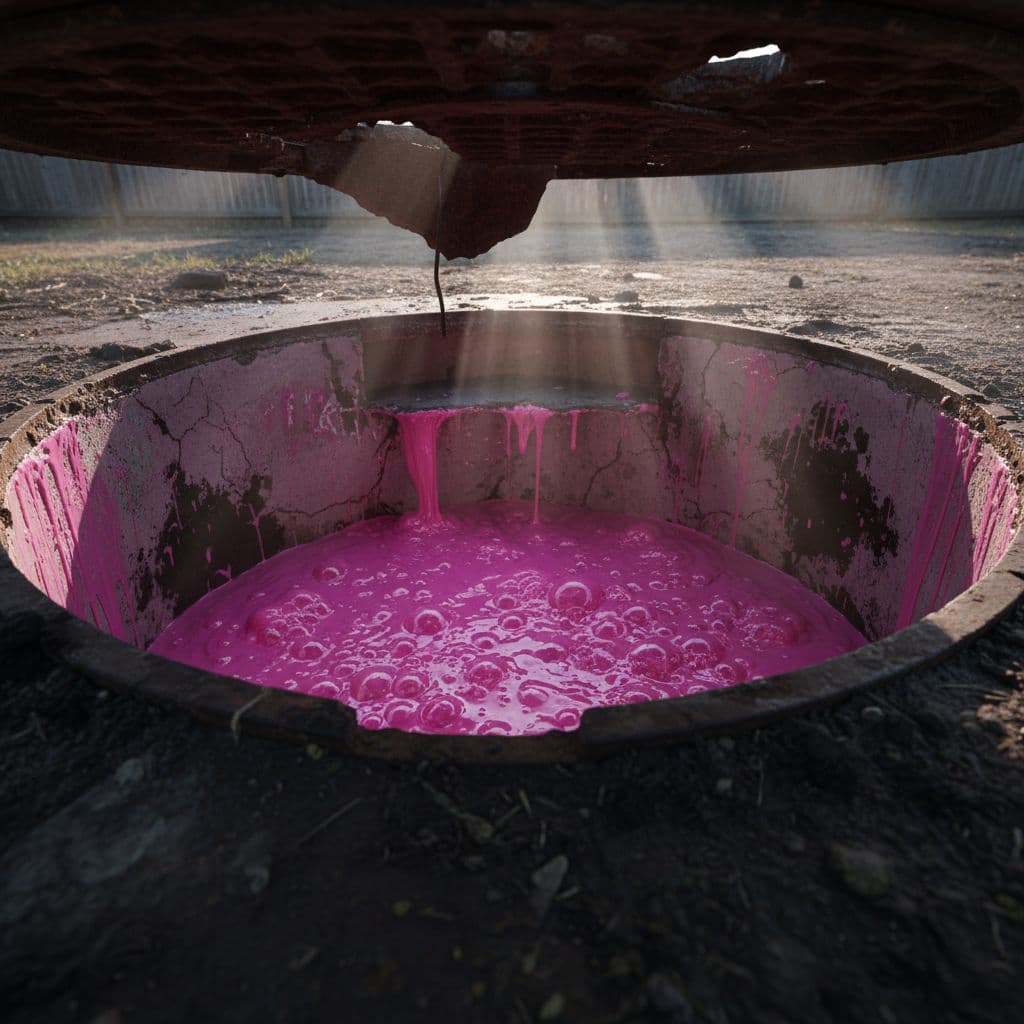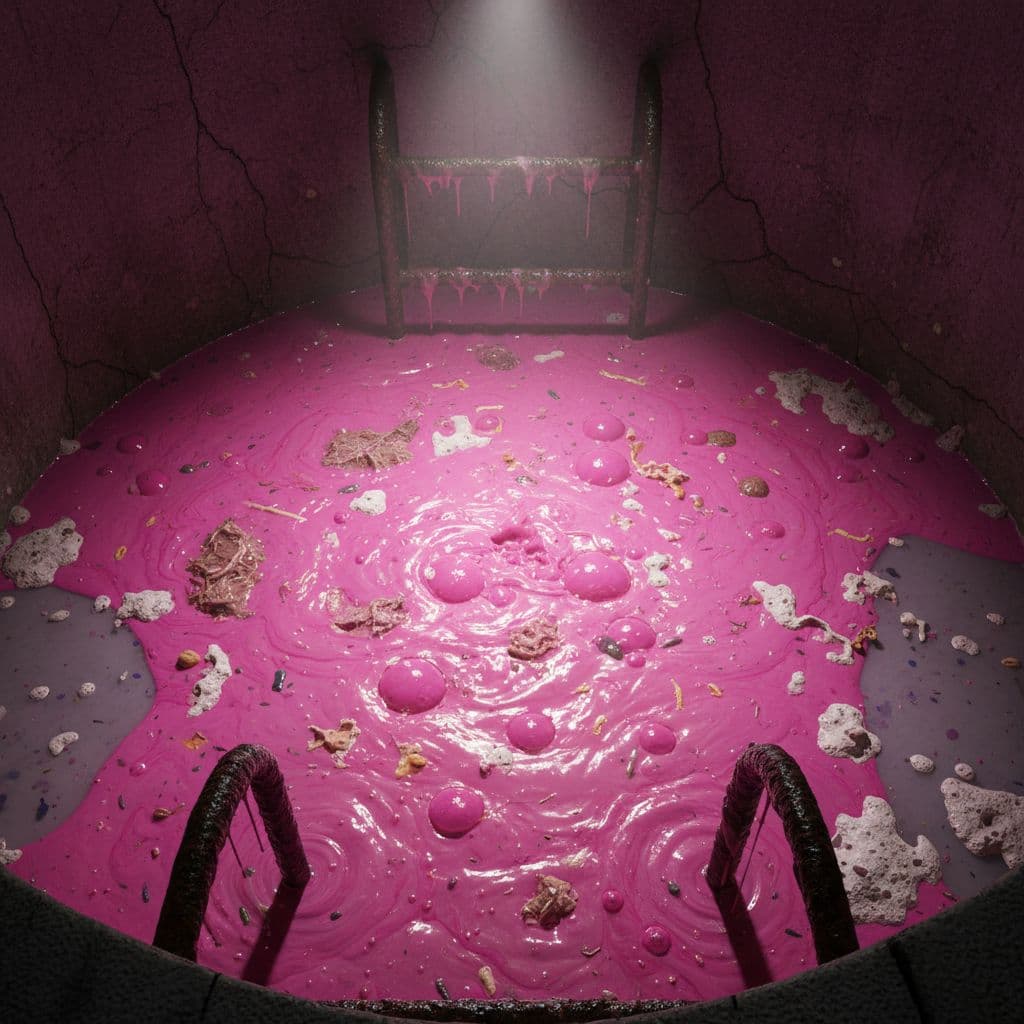
You elevate a lid, seem down a cleanout, or recognize a movie close to a drain and find out a slimy pink or salmon-colored layer. in some cases it seems like damp paint, at times like gel, and at times it comes with a musty or bitter odor. for those who’re observing pink sludge in septic tank locations (or what seems linked to the septic program), it could experience like anything has long gone severely Completely wrong.
I know it can glimpse alarming, but more often than not it is a biofilm, a living layer that feeds on residue and dampness. In plain terms, it generally forms when there’s a good amount of drinking water, a gradual source of soap scum, and surfaces that stay moist.
This guideline provides you with a straightforward program for addressing pink sludge in septic tank circumstances: tips on how to recognize it, what it might imply in your system, how to wash properly, and what practices continue to keep it from coming back.
What pink sludge in septic tank typically is, and why it varieties
once you see a pink film, you’re typically looking at a bacterial biofilm that likes damp environments. The pink colour is often linked to microorganisms that will trip in on air and settle where h2o sits, then feed on residue like cleaning soap, shampoo, grease mist, and minerals. It’s not that “sewage turns pink.” It’s a lot more like a skinny residing layer that will take benefit of the best problems.
some contributors are inclined to show up time and again:
very long heat weather conditions (far more bacterial progress, more humidity)
reduced exposure to disinfectants (numerous properties use gentler cleaners now)
Frequent usage of “moisturizing” soaps and system washes (they will depart far more residue)
material softener and scented laundry goods (waxy buildup)
higher drinking water use, particularly in brief bursts
A tank that’s overdue for pumping (far more solids and scum to feed on)
whether or not the sludge appears to be like spectacular, the root trigger is frequently easy: an excessive amount of humidity additionally excessive residue.
Pink biofilm vs. grease, rust, and harmless staining: brief methods to inform
It helps to individual pink biofilm from other prevalent “secret gunk.” When pink sludge in septic tank regions is accurate biofilm, it behaves otherwise than grease or staining.
Here’s a quick, realistic check:
Biofilm: Wipes off slimy, smears quickly, shows up on soaked surfaces, returns rapidly.
Grease/scum: Thicker and sticky, frequently grey or brown, clumps rather than smearing.
Rust: Orange to reddish, a lot more powdery, often near metallic components or iron-significant h2o.
product or service dye: Tints h2o but commonly doesn’t cling as a long-lasting film.
Where to glimpse (only if you can do so safely): damp surfaces in the vicinity of drains, toilet waterlines, shower corners, and Should you have Harmless viewing access, the tank’s inlet area and baffles (without leaning in or getting into).
Why it could present up a lot more in Wintertime or right after huge h2o use
chilly temperature can slow standard breakdown while in the tank. When breakdown slows, extra residue can hang around and cling to surfaces. That’s a single purpose you would possibly detect pink sludge in septic tank observations in the course of winter although your behavior haven’t altered A lot.
Big water use can also push additional cleaning soap scum and fats into your technique. think about a weekend with guests, back again-to-again showers, or several laundry masses in at some point.
Also check for frequent modest h2o sources that maintain things moist:
A leaking rest room flapper that refills all day long
A dripping faucet
A jogging softener discharge that’s set far too normally
A area that under no circumstances dries is sort of a damp sponge, it gives biofilm a location to keep escalating.
Is pink sludge in septic tank dangerous, and when do you have to worry?
more often than not, pink sludge in septic tank circumstances certainly are a nuisance, not an crisis. Still, it’s sensible to treat any unfamiliar slime as contaminated.
primary safety issues:
Don’t contact slime with bare arms.
Keep Little ones and Animals away from soaked places and open up obtain details.
Don’t spray it with high-tension drinking water (that could aerosolize germs).
Wash up perfectly immediately after cleaning close by fixtures.
I like to recommend treating it like you would probably address mold within a lavatory, clean it carefully, enhance situations that assistance development, and watch for program indications.
The larger worry is exactly what it might sign: large residue, weak drainage, surplus h2o stream, or simply a tank that may be having difficulties to separate solids. I might deal with recurring major buildup as an indication to examine your water patterns and your pumping program.
Warning indicators your septic procedure desires support quickly
Pink film by itself generally isn’t the crisis. The red flags are signals that wastewater isn’t relocating or treating appropriately.
Look ahead to:
Sewage odor while in the garden or near the tank
gradual drains in many fixtures (not just a single sink)
Gurgling in toilets or drains
Backups in tubs, showers, or floor drains
soaked spots close to the drain discipline
Unusually eco-friendly grass in excess of the field
Effluent surfacing or ponding drinking water
If you see backups or ponding, quit and connect with a septic pro. Don’t retain working h2o and hope it clears.
What pink film can indicate for tank equilibrium and drain subject health
A septic tank is effective greatest when it separates waste into layers and gives solids time to settle. an excessive amount of cleaning soap, grease, or harsh cleaning chemicals can throw off that equilibrium. When breakdown and settling aren’t Doing the job effectively, more solids can leave the tank.
Those people solids can get to the drain area and clog the soil with time. That’s on the list of peaceful methods a drain area loses everyday living.
very simple monitoring assists you spot patterns:
Be aware your previous pump date as well as the suggested interval for your residence sizing.
listen to significant-use months (vacations, guests, new laundry routines).
Look ahead to modifications after switching detergents or cleaners.
You’re not looking to be best, you’re wanting to continue to keep the procedure continuous.
How to eliminate pink sludge and continue to keep it from coming back
you could typically Command this without dumping harsh chemical compounds in the procedure. The objective is to get rid of the film where you can, Slice down the residue that feeds it, and cut down consistent dampness. When pink sludge in septic tank scenarios keep exhibiting up, it’s generally because one of those a few items is still set up.
I like to get started with the best wins In the house, given that they’re Protected, affordable, and so they generally remedy the majority of the trouble.
Risk-free cleansing techniques you can do without having harming your septic tank
center on fixtures and soaked surfaces you could access. The tank alone is just not a Do-it-yourself cleaning venture.
sensible, septic-helpful actions:
don gloves and look at eye protection.
Ventilate the bathroom (open up a window, run the enthusiast).
Scrub visible slime in toilets, showers, and sink overflows utilizing very hot h2o and a moderate cleaner.
Rinse perfectly so loosened film goes down the drain in lieu of drying again on surfaces.
Dry problem regions once you can (a quick wipe of corners and caulk allows).
A critical basic safety rule: don’t combine cleaners, Specially bleach and ammonia. that blend can make unsafe fumes.
If you’re concerned about pink sludge in septic tank access parts, don’t climb in, don’t lean around an open up tank, and don’t attempt to “clean it out” you. When the tank demands inner consideration, a certified septic corporation has the resources and protection equipment to deal with it.
Product and practice alterations that lessen pink sludge (cleaning soap, laundry, and water use)
Biofilm requires foodstuff. for most homes, that “food items” is residue from items and fats.
test these changes for your couple of months:
Laundry and cleansing solutions
Use septic-safe, reduced-residue detergents.
Use much less detergent as opposed to label indicates (many hundreds require fewer).
Skip or cut down material softener and scent boosters if buildup is an issue.
keep away from Repeated antibacterial cleaners which can disrupt normal tank bacteria.
kitchen area routines
Don’t pour grease or oil down the drain.
Wipe greasy pans using a paper towel right before washing.
drinking water use
deal with leaks immediately (toilets are widespread culprits).
distribute laundry with the week rather than executing it all of sudden.
think about minimal-movement fixtures if your property has older, higher-quantity versions.
program pumping matters way too. every time a tank is overdue, scum and solids can Construct up and support pink sludge in septic tank situations by supplying additional area product and more trapped residue.
Also continue to keep expectations reasonable. If you clean after but hold precisely the same moisture and residue sample, the movie often returns.
Pink sludge in shower, pink sludge in pipes, and pink sludge in drain: what it means and how to proceed
when you’ve recognized pink movie within the shower then later listen to about pink sludge in septic tank inspections, it’s normal to wonder if the two are connected. They generally are, although not in the scary way. Both sites share exactly the same substances: moist surfaces, warm temperatures, and cleaning soap residue.
I frequently see this any time a property has higher humidity, lots of entire body wash use, as well as a rest room admirer that doesn’t operate very long sufficient.
The good news is the fact rest room Handle actions usually assist quickly, and Additionally they reduce what gets washed into your septic program.
Pink sludge in shower: common will cause and simple prevention
Showers are an excellent biofilm habitat. They keep soaked, they get warm, and they obtain residue in corners.
frequent will cause consist of:
heat humidity and sluggish drying
Shampoo and overall body clean film on tile and caulk
Wet loofahs, razors, and bottles remaining in puddles
Poor air flow or a weak exhaust admirer
simple avoidance that really sticks:
Rinse partitions and corners just after showers.
Do a weekly scrub of corners and caulk in which film starts.
operate the admirer for approximately 20 minutes immediately after bathing.
maintain shower curtains, mats, pink sludge in septic tank and bottles as dry as feasible.
when you’re also managing pink sludge in septic tank indications, these steps reduce the residue load going down the drain, which can help The entire technique remain well balanced.
Pink sludge in pipes and pink sludge in drain: how you can clear slime without the need of wrecking the program
Slime in drains tends to sort all-around hair, cleaning soap scum, and residue that coats the pipe wall. you ought to remove the gunk with out blasting your plumbing or stressing the septic tank.
Light, successful alternatives:
get rid of and clear pop-up stoppers and strainers (hair and film hide there).
Use a drain brush to scrub the very first extend of pipe you could reach.
Flush with warm drinking water soon after cleaning to carry loosened residue absent.
think about enzyme-based mostly or septic-safe cleaners In order for you excess aid (follow label directions and don’t overuse).
try out to prevent Recurrent caustic drain openers. they may be hard on pipes, and recurring use can disrupt a septic tank’s normal bacteria.
contact a plumber if you see recurring clogs, slow drains in various rooms, or gurgling. If Individuals difficulties occur together with pink sludge in septic tank issues, you might be managing a flow or ventilation challenge, not simply surface film.
summary
Pink slime is often a biofilm that feeds on humidity and merchandise residue, not an indication that the waste is “modifying color.” you can find control by cleansing safely and securely, bettering air flow, cutting down on higher-residue products, and retaining steady drinking water use. when you detect backups, ponding, or garden odors, agenda service immediately since People signs position to a pressured process.
Your basic action strategy:
Clean visible film with incredibly hot water plus a gentle cleaner, then rinse well.
correct leaks and reduce frequent dampness in bogs and plumbing.
Use very low-residue soaps and detergents, and skip excess fabric softener.
continue to keep grease away from drains and unfold out large h2o use.
Call for assistance if you see backups, gurgling, or soaked spots near the drain discipline.